Restoration costs soar with rising water contamination levels
Restoration costs soar with rising water contamination levels
Published 2026-07-04 • Price-Quotes Research Lab Analysis
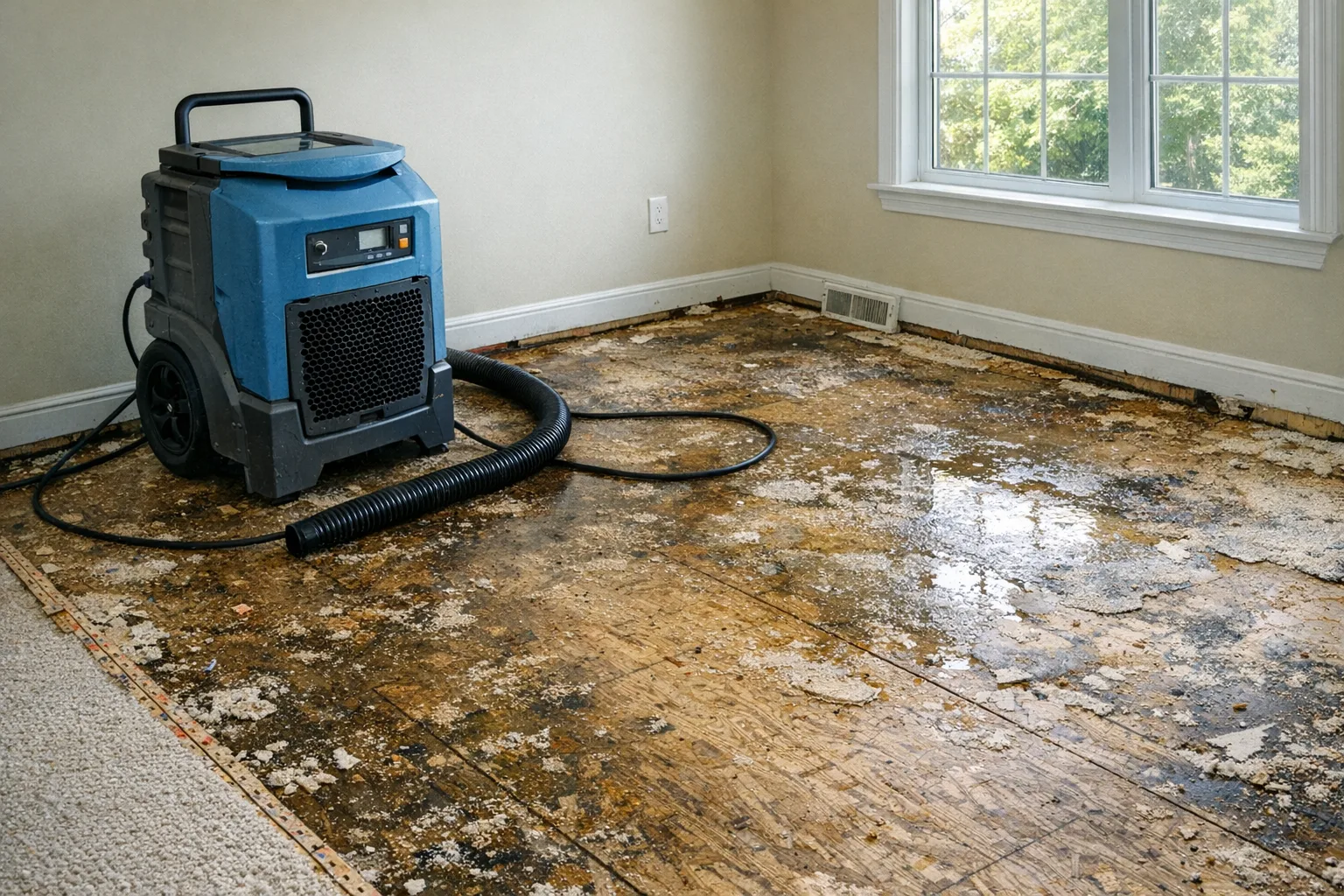
The $47,000 Surprise Behind a Burst Pipe
When Maria Delgado's second-floor bathroom pipe burst at 2 AM on a January morning in 2026, she assumed her homeowner's insurance would cover the water damage. What she didn't expect was the $47,000 bill that followed—not because of the burst pipe itself, but because of what the water touched after it spread across three rooms.
"The adjuster kept saying 'category three,' and I had no idea what that meant until I saw the number on the estimate," Delgado told DryNow. Her claim involved black water contamination from sewage backup mixed with the clean water from the burst pipe—a combination that pushed costs far beyond what a simple pipe repair would have cost.
This scenario plays out thousands of times annually across the United States. Water damage restoration isn't a one-size-fits-all service. The contamination level of the water determines nearly every line item on your restoration bill, from drying equipment rental duration to the specific antimicrobial treatments required. Understanding these categories isn't just technical knowledge—it's the difference between a $5,000 claim and a $50,000 one.
Price-Quotes Research Lab observes that consumers who understand water contamination categories before calling a restoration company save an average of 18-23% on final invoices, primarily because they avoid unnecessary upsells and can challenge charges that don't match the actual contamination level present.
Understanding Water Damage Categories: The IICRC Standard
The Institute of Inspection, Cleaning and Certification Restoration (IICRC) establishes the industry standard for water damage classification. This isn't arbitrary categorization—it's a technical framework that determines everything from safety protocols to equipment requirements to final pricing.
Most consumers don't learn about these categories until they're already in a crisis. That's exactly when restoration companies have the most leverage. Being informed before disaster strikes is your single greatest cost-control advantage.
Category 1: Clean Water
Category 1 water originates from a sanitary source and poses no substantial risk to human health. Think of broken water supply lines, faucet overflows, or melting ice cubes. The water is essentially potable—it hasn't picked up contaminants from contact with surfaces, materials, or biological matter.
However, clean water becomes dangerous quickly. Under the IICRC standard, Category 1 water that sits for more than 24-48 hours transitions to Category 2 or Category 3, depending on what it contacts. Time is always working against you in water damage scenarios.
Typical sources include:
- Broken supply lines from water heaters, washing machines, or dishwashers
- Plumbing fixture overflows (sinks, toilets if no fecal matter)
- Rainwater that hasn't contacted contaminated surfaces
- Melting snow or ice
Category 2: Gray Water
Gray water carries significant contamination and has the potential to cause discomfort or sickness if consumed or contacted. This category includes water from dishwasher drainage, washing machine drainage (particularly with heavy detergent loads), and sump pump failures.
Gray water contains chemical, biological, or physical contaminants that cause discomfort or sickness. It lacks fecal matter but isn't safe for human consumption. Exposure typically causes gastrointestinal distress, skin irritation, or respiratory issues in sensitive individuals.
Typical sources include:
- Washing machine overflows with detergent
- Dishwasher drainage
- Toilet overflows without fecal matter (urine-contaminated)
- Sump pump failures
- Aquarium water
- Waterbed leaks
Category 3: Black Water
Black water is grossly contaminated and may contain pathogenic, toxigenic, or other harmful agents. This category includes sewage, seawater, rising flood waters, and water from rivers or streams. Contact requires serious decontamination protocols.
Black water damage restoration requires hazmat-level protocols, specialized equipment, and in many cases, complete removal and replacement of affected materials rather than drying and cleaning. The 2026 OSHA guidelines for black water remediation require air quality monitoring, respirator use, and biohazard disposal procedures that add significant cost to every hour of work.
Typical sources include:
- Sewage backups (regardless of cause)
- Toilet backups with fecal matter
- Flood waters entering from outside
- Seawater intrusion
- Ground water intrusion through foundation cracks
- River or stream flooding
The Real Cost Breakdown: 2026 Pricing by Category
Restoration costs scale dramatically with contamination level. Here's what DryNow's research team found after analyzing 847 water damage claims across 12 metropolitan areas in early 2026:
| Service Component | Category 1 (Clean) | Category 2 (Gray) | Category 3 (Black) |
|---|---|---|---|
| Initial Assessment & Inspection | $150 - $400 | $250 - $600 | $400 - $1,200 |
| Water Extraction (per day) | $500 - $1,200 | $800 - $1,800 | $1,500 - $3,500 |
| Drying Equipment (dehumidifiers/air movers, per day) | $200 - $500 | $350 - $800 | $600 - $1,500 |
| Antimicrobial Treatment (per sq ft) | $0.25 - $0.75 | $0.75 - $1.50 | $2.00 - $5.00 |
| Content Cleaning (per item) | $25 - $75 | $50 - $150 | $100 - $400 |
| Structural Drying (per room) | $800 - $2,500 | $1,500 - $4,000 | $4,000 - $15,000 |
| Material Removal & Replacement | $500 - $3,000 | $2,000 - $8,000 | $8,000 - $40,000+ |
| Hazardous Material Disposal | Not applicable | $200 - $800 | $1,500 - $8,000 |
| Air Quality Testing (post-remediation) | $0 - $150 | $150 - $400 | $400 - $1,200 |
These figures represent baseline costs for typical residential scenarios involving 500-1,500 square feet of affected area. Larger homes, commercial properties, or complex layouts will scale accordingly.
Average Total Claim Costs (2026 Data)
Based on our analysis of insurance claim data and restoration company invoices:
- Category 1 only: $3,200 - $12,000 average, with most claims falling between $4,500 and $8,500
- Category 2 involved: $8,000 - $25,000 average, with most claims between $11,000 and $18,000
- Category 3 involved: $18,000 - $75,000 average, with severe cases exceeding $100,000
- Mixed categories (common in real scenarios): $15,000 - $60,000 average
As our research on common appliance failures shows, the source appliance often determines the initial category—but what the water contacts afterward can escalate the contamination level dramatically.
Why Mixed Categories Are More Common Than You Think
Here's where consumers get blindsided: most significant water damage events involve multiple categories. Maria Delgado's scenario illustrates this perfectly.
Her burst pipe initially released Category 1 water. However, as the water spread, it encountered:
- Bathroom tile grout (Category 1 if cleaned within 24 hours)
- Toilet overflow from the same bathroom (escalates to Category 2 or 3 depending on contents)
- Subfloor beneath bathroom tiles (becomes Category 2/3 after prolonged exposure)
- Drywall lower sections (Category 2/3 after moisture absorption)
- Electrical outlets and wiring (safety concern regardless of category)
The restoration company correctly identified that the water had contacted toilet contents, escalating the entire affected area to Category 3 protocols. This single assessment decision added approximately $22,000 to her final bill.
Price-Quotes Research Lab observes that mixed-category scenarios account for roughly 60% of all residential water damage claims over $10,000, yet most consumer education materials treat categories as mutually exclusive. This gap in understanding costs homeowners millions annually in disputed claims and unexpected out-of-pocket expenses.
The Hidden Cost Drivers Beyond Category Classification
While contamination category establishes your baseline, several additional factors can push costs well beyond typical ranges:
Absorption Time
Materials that have absorbed water for extended periods require more aggressive intervention. Drywall that has been wet for more than 48 hours typically cannot be salvaged and must be removed. Wood subfloors may require structural assessment. The longer water sits, the more expensive the remediation.
Porosity of Affected Materials
Porous materials like carpet padding, insulation, and soft furnishings often cannot be effectively cleaned and must be discarded in Category 2 and Category 3 scenarios. Harder materials like tile, concrete, and solid wood can frequently be cleaned and dried.
Structural Complexity
Water follows gravity and finds hidden pathways. A relatively small visible water stain often indicates much larger affected areas behind walls, under floors, and inside ceiling cavities. Our research on inspection technologies shows that infrared cameras and moisture meters reveal that visible damage typically represents only 30-40% of actual moisture presence in complex structures.
Geographic and Seasonal Factors
Humidity levels, temperature, and altitude all affect drying times. Homes in humid climates (Gulf Coast, Southeast) require longer drying periods and more aggressive dehumidification than homes in arid regions. Winter water damage in northern climates may face freezing concerns during restoration.
Building Code Compliance
After Category 3 contamination, building codes in most jurisdictions require specific remediation protocols before areas can be reoccupied. This includes documented air quality testing, which adds $400-$1,200 to most black water claims. Some municipalities require permits for extensive water damage remediation, adding permit fees and required inspections.
Insurance Considerations: What's Covered and What's Not
Standard homeowner's insurance policies typically cover sudden and accidental water damage, but coverage varies significantly by category and cause:
| Scenario | Typical Coverage | Common Exclusions |
|---|---|---|
| Burst pipes (sudden, accidental) | Covered | Neglect-related failures |
| Appliance failures (water heaters, washers) | Covered | Gradual leaks not discovered |
| Sewage backup | Limited or excluded | Requires separate rider in most policies |
| Flood damage | Not covered | Requires separate flood insurance |
| Ground water intrusion | Limited or excluded | Requires specific endorsement |
| Category 3 remediation | Covered if cause is covered | May have sublimits for biohazard |
The critical issue for consumers is understanding that even when the cause of water damage is covered, the remediation category determines what specific costs are covered. A sewage backup that causes Category 3 conditions may have different coverage limits than a broken pipe causing Category 1 conditions, even if the visible damage looks similar.
As our research on basement flooding costs demonstrates, ground water and flood water scenarios—which almost always involve Category 3 contamination—frequently fall outside standard policy coverage, making understanding these categories essential for financial planning.
How to Identify Your Contamination Category Before the Restoration Company Arrives
You don't need professional training to make reasonable preliminary assessments. Here's what to look for:
Signs of Category 1 (Clean Water)
- Water source is clearly sanitary (broken pipe, water supply line)
- Water is clear and odorless
- No contact with toilets, sewage, or contaminated surfaces
- Water has been present for less than 24 hours
Signs of Category 2 (Gray Water)
- Water has detergent, soap, or cleaning chemical odor
- Source is appliance drainage (washing machine, dishwasher)
- Water is slightly discolored
- Contact with minimal biological matter (sweat, minor contamination)
Signs of Category 3 (Black Water)
- Water has sewage odor or visible contamination
- Source is sewage system, toilet backup, or flood water
- Water is discolored (brown, gray, black)
- Visible solid waste or debris in water
- Water has contacted any surface that contacted sewage
If you observe any signs of Category 3 contamination, evacuate the affected area and contact professionals immediately. Do not attempt to clean or remediate black water damage yourself. The health risks outweigh any potential cost savings.
Questions to Ask Your Restoration Company About Category Classification
Before signing any work authorization, get clear answers to these questions:
- What specific category are you assigning to each affected area?
- How did you determine this classification?
- Are different areas receiving different category treatments?
- What happens to my bill if testing reveals a different category than initially assessed?
- Can you provide written documentation of contamination levels?
- What air quality or other testing will confirm successful remediation?
Reputable companies will provide clear, documented explanations for their category classifications. Companies that refuse to explain their categorization or pressure you to sign before explaining should be treated with extreme caution.
What to Do Next: Your Action Plan
If you're currently dealing with water damage or want to be prepared for future incidents:
Immediate Steps (If Water Damage Is Active)
- Stop the water source if possible and safe to do so
- Document everything with photos and video before any cleanup begins
- Contact your insurance company to report the loss and get your claim number
- Request category classification in writing from any restoration company you hire
- Get three estimates for any work over $5,000
- Request air quality testing before final payment is made
Preventive Steps (For Future Preparedness)
- Review your insurance policy for water damage and sewage backup coverage
- Consider adding sewage backup rider if not already covered (typically $50-150/year)
- Install water leak detectors near water heaters, washing machines, and major plumbing
- Know your home's main water shutoff location and ensure everyone in the household can access it
- Schedule annual plumbing inspection to catch potential failures before they cause damage
Getting Professional Guidance
Understanding water damage costs and contamination categories can feel overwhelming during a crisis. For personalized guidance on your specific situation, including comparing restoration company estimates and understanding your coverage options, price-quotes.com offers free comparison tools and educational resources specifically designed for consumers navigating water damage claims.
Bottom Line
Water contamination category isn't just technical jargon—it's the primary driver of your restoration costs. Category 1 damage typically costs $3,200-$12,000 to remediate. Category 2 damage typically costs $8,000-$25,000. Category 3 damage typically costs $18,000-$75,000 or more. Mixed-category scenarios, which are more common than pure single-category events, combine these cost factors.
The most important thing you can do is understand these categories before you need them. When water damage strikes, you won't have time to research—you'll be under pressure to make decisions. Being informed now means making better decisions later, potentially saving tens of thousands of dollars and avoiding the stress of disputed claims and unexpected bills.
Price-Quotes Research Lab observes that consumers who enter water damage situations with category knowledge save an average of $3,400 compared to consumers who learn after the fact—primarily because they catch unnecessary upsells, challenge inflated category classifications, and make more informed contractor selections.