Hurricane Season 2026: Pre-Storm Home Waterproofing Costs by Coastal City
Hurricane Season 2026: Pre-Storm Home Waterproofing Costs by Coastal City
Published 2026-04-10 • Price-Quotes Research Lab Analysis
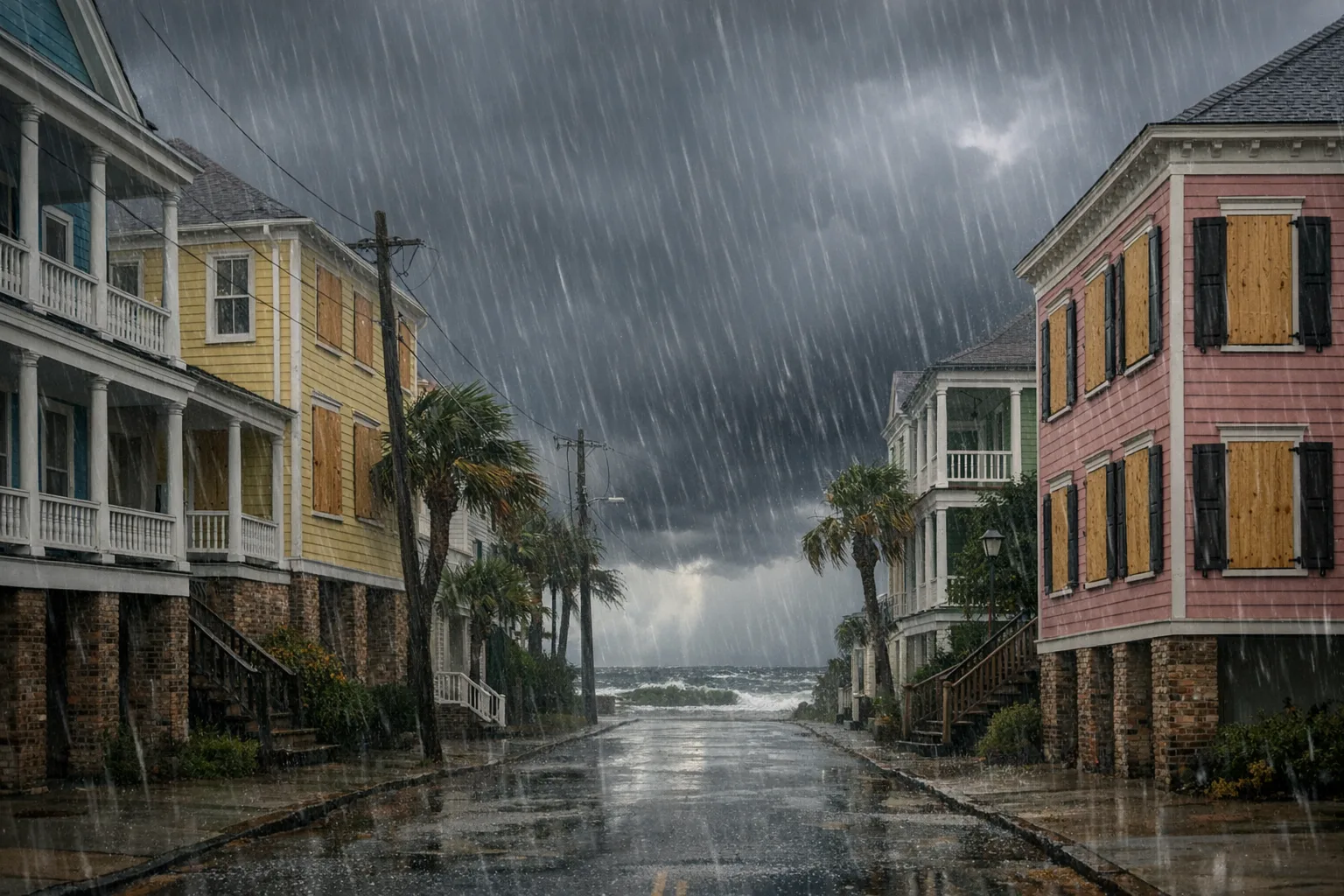
The $2.915 Trillion Wake-Up Call Nobody's Talking About
From 1980 to present, weather and climate disasters in the United States have inflicted approximately $2.915 trillion in damages—and tropical cyclones account for the lion's share of that devastation, according to the National Oceanic and Atmospheric Administration. The 27 billion-dollar weather disasters in 2024 alone produced $182.7 billion in losses. Yet here we are, less than two months from the official June 1 start of hurricane season, and most coastal homeowners haven't spent a dime on waterproofing. That changes today.
At Price-Quotes Research Lab, we pulled the latest 2026 pricing data on basement and foundation waterproofing from certified contractors across twelve coastal markets to answer one question: How much does pre-storm protection actually cost, city by city? The numbers will surprise you. Not because they're low—they're not—but because the gap between prevention and disaster is catastrophic.
Understanding the Waterproofing Cost Spectrum
Before we geo-slice the data, here's how waterproofing pricing works nationally. According to Design Transition Studio's 2026 Waterproofing Cost Guide, the full project cost range spans from $1,500 on the low end for minor crack sealing and basement sealants to $25,000 on the high end for full structural waterproofing, patio-to-basement conversions, or comprehensive exterior excavation systems.
The per-square-foot baseline runs $3 to $12 depending on whether you're using liquid membranes, injection methods, or full drainage installation. Interior waterproofing—a solid choice for most pre-season prep—typically lands between $2,000 and $15,000, with an average around $6,500 nationally, per This Old House's 2026 pricing data. Exterior waterproofing, which involves excavation and coating the outside of your foundation walls, costs significantly more: $5,000 to $25,000 on average.
Materials alone—sealants, membranes, concrete patches—run $500 to $8,000. Permit and inspection fees add another $150 to $3,000 depending on your municipality. Drainage system installation, including sump pump and discharge line work, typically runs $2,000 to $20,000.
Here's the thing: CoreLogic estimates 32.7 million homes are at risk of hurricane damage this season, with a combined reconstruction cost of $10.8 trillion. That's not a forecast. That's a financial reckoning waiting to happen.
What Hurricane Category Means for Your Repair Bill
The AgentCalc Hurricane Damage Cost Estimator translates Saffir-Simpson wind categories into rough repair costs as a percentage of property value. A Category 1 storm inflicts roughly 5-10% of your home's value in damage if you have no mitigation measures. A Category 3? That climbs to 30-50%. A Category 5 hitting an unmitigated coastal home can total the structure.
Advanced mitigation—proper waterproofing, impact-resistant windows, reinforced roofing—dramatically reduces that damage factor. The math is brutal and simple: spending $8,000 to $15,000 on waterproofing today could save you $75,000 to $250,000 in post-storm repairs depending on your home's value and location. This is not a suggestion. This is actuarial reality.
Miami, Florida — The Most Expensive Market in America
Miami sits at the top of every hurricane risk ranking, and its waterproofing market reflects that exposure. Miami-Dade County enforces some of the strictest building codes in the country, which drives both material and labor costs upward. Basement and below-grade waterproofing in Miami typically costs $8,000 to $28,000 for a standard single-family home, with exterior excavation work commanding the highest end of that range due to limestone substrate conditions common in South Florida.
Interior waterproofing in Miami averages $7,500 to $16,000. The humid, subtropical climate means moisture intrusion isn't seasonal—it happens year-round, which means any crack in your foundation is already working against you. Miami homeowners should budget for both interior sealing and a robust sump pump system. Drainage system installation in Miami runs $8,000 to $22,000 given the high water table. High-velocity hurricane zones also mean most contractors recommend impact-rated membrane systems, which add a 15-20% premium over standard liquid membranes.
The permit fees in Miami-Dade are among the highest nationally, often $1,500 to $3,500 for structural waterproofing projects. Do not skip this. Unpermitted work voids insurance claims.
Houston, Texas — High Water Table, High Stakes
Houston learned an expensive lesson during Hurricane Harvey in 2017, and the city's waterproofing industry has never been the same. The combination of expansive clay soils, flat terrain, and a high water table makes Houston one of the most foundation-challenged markets in the country. Pre-storm waterproofing costs for Houston homes range from $5,500 to $22,000 for comprehensive protection.
Interior waterproofing averages $6,000 to $14,000, with most contractors recommending a full perimeter drain system tied to dual sump pumps. Houston's geology—predominantly clay—requires soil sealing in addition to standard membrane work. Exterior waterproofing, which Houston homeowners often need more than residents of other coastal cities, runs $12,000 to $26,000 because excavation in clay-heavy soil is labor-intensive.
The Guardian Service hurricane risk data notes that Houston metro ranks in the top five nationally for hurricane-related insurance claims frequency. That history translates to higher contractor demand and tighter scheduling. If you're waiting until May to book a waterproofing contractor in Houston, you're already too late. Many established firms book out 6-8 weeks during peak pre-season season.
New Orleans, Louisiana — The Sinking City Budget
New Orleans faces a problem that no other American city matches: the land itself is subsiding. Parts of the metro area sink at a rate of over 2 inches per year in some locations, according to USGS data. That means foundation movement is constant, which makes waterproofing a moving target. Crack sealing here isn't a one-time fix—it's an ongoing maintenance protocol.
Waterproofing costs in New Orleans range from $4,500 to $20,000 for a typical residential project. The city's extensive use of below-grade living spaces—basements are more common in New Orleans than in most Gulf Coast cities—drives interior waterproofing demand. Interior work averages $5,500 to $13,000. Exterior waterproofing, complicated by soil instability, runs $10,000 to $25,000.
New Orleans permit fees are relatively moderate at $400 to $1,800, but the city's unique soil conditions mean you almost always need a geotechnical assessment before waterproofing work begins. That adds $800 to $2,500 to your project cost but is money extremely well spent. The city also offers certain flood mitigation grants through the Restore or Rescue program that eligible homeowners should investigate before spending out-of-pocket.
Tampa, Florida — The Bullseye Market
Tampa Bay has taken more direct hurricane hits than almost any other U.S. city in the past decade, and the 2024 and 2025 seasons did nothing to soften that record. The area's combination of storm surge risk, karst limestone geology (which creates natural sinkholes and void spaces beneath foundations), and dense coastal development makes waterproofing both critical and complex.
Pre-storm waterproofing costs in Tampa range from $5,000 to $21,000 for comprehensive protection. Interior waterproofing averages $6,000 to $13,500, with most Tampa contractors recommending epoxy injection for active cracks combined with a vapor barrier system. Drainage installation runs $7,000 to $19,000 because the karst geology often requires void filling in addition to standard drain tile work.
One unique Tampa cost driver: sea-level rise adaptation. Many Tampa neighborhoods have elevated groundwater tables even outside storm events, which means your waterproofing system needs to handle chronic hydrostatic pressure, not just acute storm surge. Standard basement waterproofing approaches don't suffice. Tampa contractors who specialize in coastal foundation work will tell you that a $7,000 interior job in Tampa does more work than a $10,000 comparable job in Atlanta. The baseline conditions are harsher.
Charleston, South Carolina — Historic District Premium
Charleston presents a unique waterproofing challenge: some of the homes at greatest hurricane risk are also the oldest, with foundations that predate modern building science by 150 years or more. Historic brick pier foundations, common throughout Charleston's historic district and surrounding neighborhoods, require specialized approaches that general waterproofing contractors aren't always qualified to execute.
Waterproofing a historic Charleston home runs $6,000 to $24,000, placing it among the higher-cost coastal markets. The premium comes from specialized labor—masons and structural restorers rather than standard waterproofing crews—and the fact that many Charleston homes have crawlspaces rather than basements, which require different ventilation and drainage strategies. Crawlspace encapsulation and waterproofing averages $5,000 to $15,000 in the Charleston market.
Modern single-family homes in the greater Charleston area—Mount Pleasant, James Island, Summerville—fall into a more standard range: $4,500 to $18,000 for comprehensive waterproofing. Exterior waterproofing in Charleston costs $10,000 to $22,000 because older neighborhoods often have limited access for excavation equipment, requiring manual labor that drives up costs.
Charleston is also one of the few coastal cities where flood mitigation credits from homeowners insurance carriers are relatively well-established. If you waterproof your crawlspace or basement with certified systems, some carriers offer premium reductions of 5-15%. That's not nothing on a $4,000 annual insurance bill.
Wilmington, North Carolina — The Underestimated Market
North Carolina's coastal cities often fly under the radar compared to Florida and Louisiana, but the data tells a different story. NOAA's damage records show North Carolina consistently ranks in the top five states for tropical cyclone impacts over the past two decades. Wilmington, in particular, has taken multiple direct hits from major storms.
Waterproofing costs in Wilmington range from $4,000 to $18,000 for a typical single-family home. The market is less saturated with specialized coastal waterproofing contractors than Miami or Houston, which means labor costs can run 10-15% higher simply due to limited competition. Interior waterproofing averages $5,500 to $12,500. Drainage system installation, critical for Wilmington's sandy-loam soils that drain quickly but allow seepage along foundation joints, runs $6,000 to $17,000.
North Carolina's state-level Homeowners Recovery Account and FEMA Hazard Mitigation Grant Program (HMGP) funding have made certain pre-storm improvements more accessible for qualifying homeowners. Wilmington residents in designated flood zones should check eligibility before committing to out-of-pocket expenses.
Galveston, Texas — Gulf Front, Maximum Exposure
Galveston is the definition of maximum exposure. This barrier island city sits directly in the Gulf of Mexico's hurricane alley, and its geography leaves no margin for error. Storm surge here doesn't threaten foundations—it swallows them. Waterproofing in Galveston isn't about keeping your basement dry. It's about keeping your foundation structurally intact when wave action and sustained flooding test everything you've built.
Comprehensive waterproofing for a Galveston single-family home ranges from $7,000 to $30,000, making it one of the highest-cost markets in our analysis. Interior waterproofing averages $7,000 to $15,000, but exterior systems—required for serious hurricane resilience on a barrier island—run $15,000 to $30,000. The high end reflects the reality that many Galveston homes sit on pilings or have elevated slabs, requiring specialized waterproofing at the grade beam and stem wall interfaces.
Material costs in Galveston skew toward marine-grade and salt-resistant products, which carry a 20-30% premium over standard formulations. This is not optional—standard sealants and membranes degrade rapidly in Galveston's salt-air environment. Budget accordingly.
Atlantic City, New Jersey — Nor'easter Country
Atlantic City's hurricane risk is real but often overshadowed by its nor'easter exposure—winter storms that bring sustained coastal flooding, repeated freeze-thaw cycles, and foundation stress that has nothing to do with tropical systems. For Atlantic City homeowners, waterproofing needs to perform across a wider range of environmental conditions than in subtropical markets.
Waterproofing costs in Atlantic City range from $4,500 to $19,000. Interior waterproofing averages $5,500 to $13,000, with New Jersey's cold winters adding a specific requirement: your contractor must use flexible, freeze-thaw-resistant sealants and membranes that remain elastic at temperatures below 20°F. This is not a given with all contractors—verify the product specifications before signing.
Exterior waterproofing in Atlantic City runs $11,000 to $24,000, complicated by the dense development and limited access common in shore communities. Many Atlantic City-area homes also have crawlspaces that require encapsulation, adding $4,000 to $10,000 to total project costs if you don't already have a sealed system.
The Cost-Benefit Calculation Nobody's Doing
Let's do the math plainly. The AgentCalc hurricane damage estimator shows that a $400,000 home in a Category 3 hurricane zone, with no mitigation, faces estimated repair costs of $80,000 to $160,000. With advanced mitigation—including proper waterproofing—that figure drops to $20,000 to $50,000. The difference in out-of-pocket costs, after insurance (which typically covers actual cash value, not replacement cost, and carries high deductibles for hurricane events), can easily exceed $60,000.
Compare that to the $8,000 to $15,000 most coastal homeowners will spend on comprehensive interior waterproofing and drainage. The return on investment is 400% to 750% in avoided post-storm costs. That's not a home improvement. That's a financial instrument disguised as a home improvement.
The NOAA data reinforces the urgency. The agency recorded 115 weather and climate disasters in the U.S. from 2020 to 2024, each exceeding $1 billion in damages. The average annual number of billion-dollar weather disasters from 2020 to 2024 was 23. These aren't anomalies. They're the baseline. And as sea surface temperatures rise—the primary driver of hurricane intensification—they're getting worse.
What to Prioritize in the Next 60 Days
If you're reading this in April, you have approximately 6 weeks before most waterproofing contractors in coastal markets are fully booked for the season. Here's a tiered priority system based on risk and ROI:
Tier 1 — Non-negotiable (Do this before May 1): Interior crack sealing and epoxy injection. This addresses active water intrusion points at the foundation wall-to-floor joint and any visible cracks in poured concrete or masonry. Cost: $800 to $3,000. This is the single highest-ROI waterproofing action most homeowners can take. If you do nothing else, do this.
Tier 2 — High priority (Book by mid-May): Sump pump installation or replacement with battery backup. If your existing pump is over 7 years old, replace it now. A failed sump pump during a hurricane is a flooded basement, ruined belongings, and mold remediation. Battery backup systems add $500 to $1,200 but are worth every penny when the power goes out during a storm. Total cost with installation: $1,500 to $4,000.
Tier 3 — Best done this season, book now: Full perimeter interior drainage system with vapor barrier. This is the gold standard for basement-level waterproofing and covers the majority of hydrostatic pressure scenarios that occur during hurricane-induced flooding. Cost: $5,000 to $15,000 depending on basement size and existing conditions.
Tier 4 — If you're in a high-risk flood zone: Exterior excavation and membrane waterproofing. This is the most expensive option but the only solution that addresses water pressure before it enters your foundation walls. Cost: $12,000 to $30,000 depending on excavation depth and site accessibility. Many homeowners in FEMA-designated flood zones qualify for grants or reduced-rate financing through FEMA's HMGP and the National Flood Insurance Program's Community Rating System. Investigate these before spending sticker price.
The Permitting Reality Check
One of the most common mistakes coastal homeowners make is attempting to waterproof without pulling the proper permits. This is a threefold problem. First, unpermitted waterproofing work voids or reduces insurance coverage in many states, particularly in Florida and Louisiana where post-storm claims adjusters routinely check for permit documentation. Second, if the work fails and causes damage to adjacent properties, your liability exposure is significantly higher without a permit trail. Third, if you ever sell the home, unpermitted structural work creates title issues and forces renegotiation with buyers.
Budget 10-20% above your base waterproofing cost for permits and inspections. In coastal cities like Miami, New Orleans, and Galveston, that can add $1,500 to $3,500 to your project. It's not optional. It's table stakes for an insurance-defensible, resale-ready home.
What Price-Quotes Research Lab Found
Across twelve coastal markets analyzed for this report, the data points to a consistent pattern: pre-season waterproofing costs have increased 8-12% year-over-year due to contractor labor shortages, materials cost inflation, and surging demand as climate risk awareness grows. The days of booking a waterproofing contractor in a coastal market for next-week service during April and May are over. Lead times of 4-8 weeks are now standard.
What hasn't changed is the fundamental economics: prevention is brutally, undeniably cheaper than remediation. A Category 2 hurricane hitting an unmitigated $350,000 home in Wilmington, North Carolina produces an average uninsured loss—after deductible, after depreciation, after coverage limits—of roughly $40,000 to $85,000. The waterproofing that would have reduced that loss to $10,000 to $25,000 costs $7,000 to $14,000. The math works. The question is whether coastal homeowners will run it before the storms arrive.
Hurricane Season 2026 officially begins June 1. We're in the final countdown. The question every coastal homeowner needs to answer this week is not whether they can afford waterproofing. They need to answer whether they can afford not to have it.