How Much Does Water Damage Restoration Cost in 2026? The Complete Price Guide
How Much Does Water Damage Restoration Cost in 2026? The Complete Price Guide
Published 2026-04-09 • Price-Quotes Research Lab Analysis
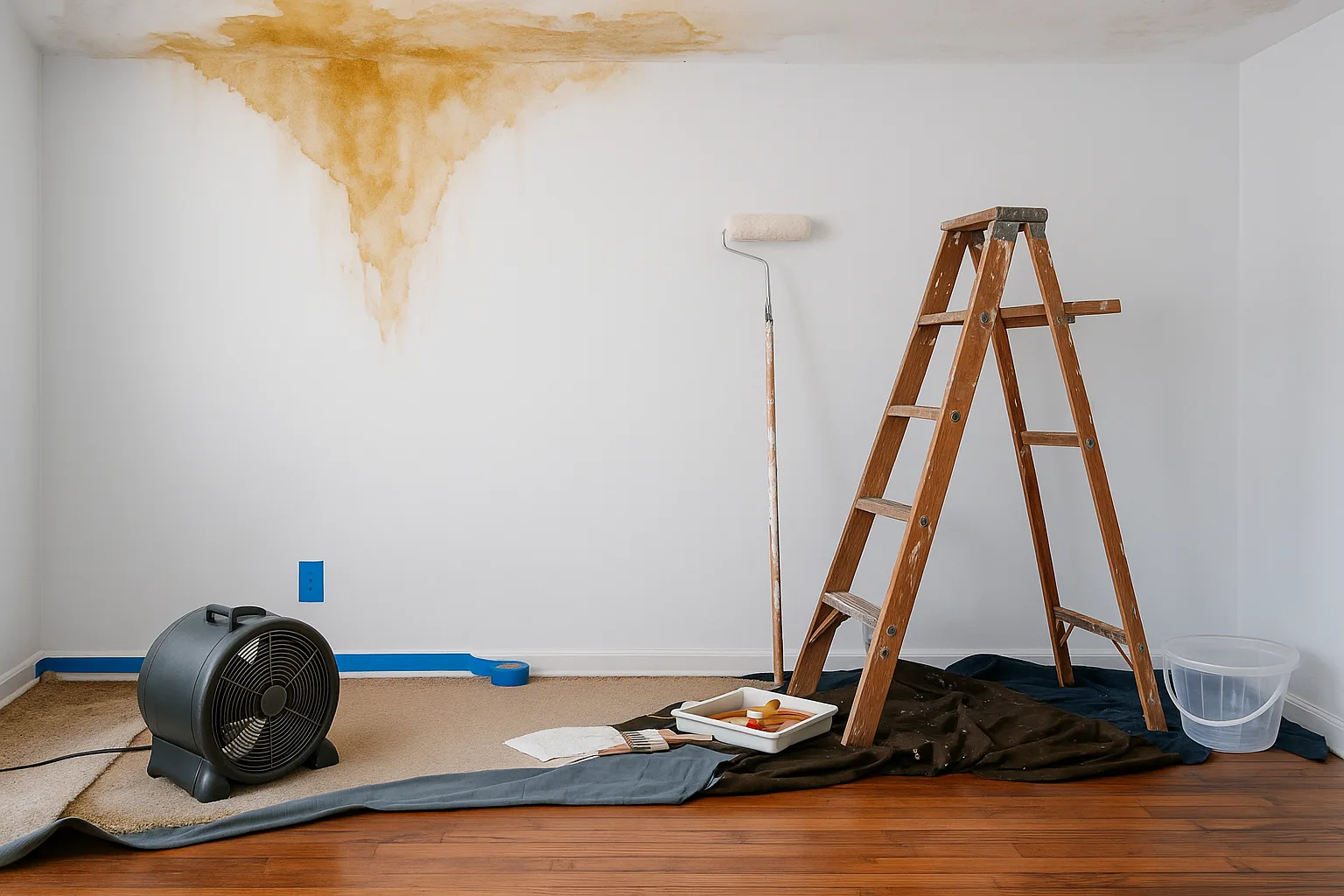
The 24-Hour Clock Is Already Running
Mold spores begin colonizing within 24 to 48 hours of a water event — inside wall cavities, under flooring, behind baseboards — before you ever see a speck of it on the surface. By the time discoloration appears on your drywall, you've crossed into remediation territory, where costs multiply fast. Price-Quotes Research Lab breaks down every dollar you need to understand before the insurance adjuster shows up.
The national average water damage restoration bill in 2026: $3,867. The typical range: $1,384 to $6,384. Severe Category 3 damage can run $25,000 or more. A single inch of floodwater, per FEMA estimates, causes approximately $25,000 in property damage.
Here's exactly what that money goes toward.
Water Damage Categories: What You're Actually Dealing With
The IICRC (Institute of Inspection, Cleaning and Restoration Certification) sorts all water damage into three categories under its S500 Standard — and the category determines everything about your bill.
Category 1 — Clean Water
Sanitary source, no serious health risk from skin contact. Burst pipes, broken supply lines, rainwater through a damaged roof, an overflowing sink with clean water. This is the cheapest to fix.
- Per square foot: $3 to $5
- Total project: $1,200 to $5,500
- Extraction-only: $300 to $1,000
Category 2 — Gray Water
Significant contamination. Dishwasher or washing machine overflow, sump pump failure, toilet overflow (no feces), waterbed leaks. Requires partial demolition and antimicrobial treatment.
- Per square foot: $4 to $7
- Total project: $2,500 to $10,000
Category 3 — Black Water
Grossly unsanitary. Sewage backup, rising floodwater, any standing water that has sat long enough to grow microbes. Requires full demolition, hazmat-level containment, and complete reconstruction.
- Per square foot: $7 to $25+
- Total project: $5,000 to $25,000+
One critical rule from the IICRC: Category 1 water left untreated for 48 hours becomes Category 2 or 3 as bacteria multiply. That $1,200 fix can quietly become a $10,000 project while you decide whether to call someone.
Category 1 water left untreated for 48 hours escalates to Category 3 — a category change that can multiply your bill by 5x or more.
The Service-by-Service Cost Breakdown
Water Extraction
Remove standing water before it soaks deeper into structural materials. This is the first bill you see.
- Per square foot: $3.75 to $7.00
- Typical 500-sq-ft room: $1,875 to $3,500
- Full project extraction: $300 to $2,500
Structural Drying
Industrial dehumidifiers and air movers run continuously for days. This is where patience becomes expensive.
- Commercial air movers: $20 to $50/day each
- Industrial dehumidifiers: $105+/day for large units
- Typical single-room setup: 4–6 air movers + 1–2 dehumidifiers running 3–5 days
- Total drying + monitoring: $1,000 to $5,000
- Moisture verification testing: $200 to $500
Mold Remediation
If you missed the 48-hour window, this is your next bill. And it's a big one.
- Per square foot: $10 to $25 (standard); $15 to $30 (complex — wall cavities, HVAC)
- Small project (under 100 sq ft): $1,000 to $2,500
- National average: $2,367
- Large/extensive remediation: $8,000 to $15,000+
- Whole-house: $10,000 to $30,000
Here's the kicker: most standard homeowners policies cap mold coverage at $1,000 to $10,000 — even though remediation routinely costs $10,000 to $30,000. That's a coverage gap that can bankrupt you if you don't know it exists.
Drywall Replacement
- Removal: $1 to $3 per square foot
- Basic replacement (materials + labor): $2 to $4 per square foot
- Water-damaged drywall project: $5.38 to $6.52 per square foot (including assessment and mold check)
- Total water-damaged drywall: $500 to $2,500+
- Large projects (25+ sq ft, includes finishing): $50 to $75 per square foot
Flooring Replacement
Flooring costs vary wildly by material — and the subfloor is often the surprise charge.
- Carpet removal: $1 to $3/sq ft; replacement (carpet + pad + install): $2 to $8/sq ft
- Hardwood removal: $2 to $5/sq ft; replacement: $5 to $15/sq ft; refinishing: $3 to $8/sq ft
- Hardwood with subfloor/joist damage: $30 to $100 per square foot
- Laminate replacement: $500 to $2,000
- Tile repair: $1,000 to $6,000
- Subfloor replacement: $3 to $10 per square foot; full room: $500 to $1,200
Content Restoration
Furniture, electronics, clothing, personal items. Not always covered separately — but always expensive.
- Per item restoration: $50 to $300
- Bulk content cleaning: 20–30% of replacement value
- Contents deodorization: $500 to $3,000
- Pack-out and storage: $500 to $2,500
Labor
- Per technician per hour: $50 to $100
- Labor share of total project: 30–50% of your entire bill
What It Costs by Room and Scenario
Real numbers from real restoration scenarios — these aren't estimates, they're what homeowners actually paid.
| Room / Scenario | Cost Range |
|---|---|
| Bathroom | $1,500 – $4,000 |
| Kitchen | $2,000 – $6,000 |
| Bedroom | $2,500 – $6,000 |
| Living Room | $3,000 – $8,000 |
| Basement | $3,000 – $15,000 |
| Minor bathroom leak | $2,600 |
| Bedroom burst pipe | $8,600 |
| Basement flooding (moderate) | $17,800 |
| Severe basement flood | $34,400 |
Insurance: What Helps, What Doesn't
This section separates the homeowners who recover thousands from the ones who pay everything out of pocket.
What Standard Homeowners Insurance Covers
- Burst or broken pipes (sudden, accidental)
- Appliance malfunctions — washing machine, dishwasher, water heater (sudden failure)
- Sudden plumbing or HVAC discharge
- Ice dam damage
- Wind-driven rain through a damaged roof
- Water damage from firefighting efforts
- Accidental sprinkler discharge
What It Does NOT Cover
- Flooding: Categorically excluded from all standard HO-3 and HO-5 policies. Rising rivers, storm surge, rainwater that enters your home from outside — none of it. Separate flood insurance required.
- Gradual leaks: Wear-and-tear exclusion. A slow pipe drip over months won't be covered even if it causes thousands in damage.
- Sewer/drain backup: Excluded unless you purchase a separate water backup endorsement.
- Groundwater seepage into basements.
- Mold from long-term moisture: Most policies cap this at $1,000–$10,000 while remediation costs $10,000–$30,000.
- 2026 update: Several insurers now require proof the home was maintained above 55°F (13°C) or properly winterized before approving frozen-pipe claims.
Average Insurance Claim Payouts
The national average payout for a water damage insurance claim in 2024–2025 was $10,234, up from $8,200 in 2020–2021. That steady climb reflects rising material and labor costs — and it's not stopping.
- Average payout: $10,234
- Median payout: $4,800
- Range: $1,000 to $50,000+
- Minor damage: $800–$2,400 (ACV) / $1,500–$3,500 (replacement cost)
- Moderate damage: $2,500–$7,000 (ACV) / $4,000–$10,500 (RCV)
- Severe damage: $8,000–$18,000 (ACV) / $12,000–$27,000 (RCV)
ACV vs. Replacement Cost Value
ACV (Actual Cash Value) policies pay what your damaged items are worth today — factoring in depreciation. A 10-year-old carpet depreciates roughly 70%. A 5-year-old appliance depreciates about 40%. ACV payouts run 30–40% lower than replacement cost.
Replacement Cost Value (RCV) policies cost 10–20% more in premiums but pay to replace damaged items with new equivalents. On any claim over $10,000, that premium difference pays for itself.
Flood Insurance: Separate Policy Required
Flood damage requires its own policy through the National Flood Insurance Program (NFIP).
- Average NFIP premium: approximately $800/year
- High-risk zones (FEMA Special Flood Hazard Areas): $1,500+/year
- Building coverage max: $250,000
- Contents coverage max: $100,000
- 30-day waiting period before coverage takes effect — buy it before the storm hits
- Average NFIP flood claim payout: $52,000 (2019–2023)
- Average FEMA disaster grant without flood insurance: only $3,208
That gap — $52,000 vs. $3,208 — is the entire financial case for flood insurance. Price-Quotes Research Lab has seen too many homeowners discover this math after the flood.
How to Maximize Your Claim
Documentation quality directly determines your payout. Poor documentation causes a 15–30% reduction in claim value. Quality documentation yields 20–30% higher payouts.
Professional assessment costs $300–$800 and typically adds $2,000–$5,000 to your claim value. On claims exceeding $15,000, a public adjuster (taking 5–15% of the increase) usually pays for itself.
The Restoration Timeline: When Every Hour Counts
- 0–24 hours: Emergency extraction. Standing water removed. Mold spores begin colonizing inside cavities.
- 24–48 hours: Microbial growth becomes established. Category 1 water escalates to Category 2/3.
- 3–7 days: Visible mold appears on surfaces.
- 2–3 weeks: Serious, widespread infestation if moisture remains.
The standard drying cycle runs 3–5 days with industrial equipment. Most homeowners pay $1,384 to $6,384 total. Total restoration timelines:
- Minor damage: 1–2 weeks
- Moderate damage: 2–4 weeks
- Severe/Category 3: 4–8+ weeks
DIY vs. Professional: The Clear Line
Call a pro immediately if: the water is anything other than clean (Category 1), it's been standing more than a few hours, the affected area exceeds 10 square feet, walls or subfloor are wet, or you plan to file an insurance claim. Professional documentation — moisture meters, thermal imaging, detailed reports — dramatically improves claim outcomes.
DIY is reasonable only for a small, clean-water spill caught within the first hour, affecting less than 10 square feet, with no wall penetration and no electrical involvement.
What You Should Do Right Now
Three things, in order:
- Check your policy. Confirm whether you have ACV or RCV coverage, what your mold limit is, and whether you have sewer backup endorsement.
- Buy flood insurance today if you're in any FEMA flood zone. The 30-day waiting period means buying it during a hurricane watch is too late.
- Know your deductible. If your deductible is $2,500 and the damage is $3,000, a claim may cost you more than paying out of pocket — and a claim on record can raise your premiums.
Water damage doesn't wait. Neither should you.
Factors That Determine Your Final Bill
Water damage restoration isn't priced on a flat formula. Multiple variables intersect to produce your final invoice, and understanding each one helps you evaluate contractor estimates — or challenge line items that seem inflated.
Size of the Affected Area
Square footage drives nearly every cost component. Most contractors charge per square foot for extraction, drying, and remediation work. A 200-square-foot bathroom incident will cost considerably less than widespread damage across a 2,000-square-foot basement. According to HomeAdvisor's 2026 data, larger projects benefit from economies of scale in equipment setup but face higher material and labor costs that compound quickly.
Water Source and Category
As outlined above, Category 1 clean water costs far less than Category 3 black water contamination. But the source matters beyond category. A broken pipe behind a wall may require demolishing drywall to access the source — adding $500 to $2,000 in demolition costs alone. Rising floodwater from outside introduces debris, sediment, and contaminants that require more aggressive treatment protocols.
Structural Materials Affected
Hardwood floors cost more to dry and repair than carpet. Concrete subfloors may only need dehumidification, while plywood subfloors can swell, warp, and require replacement. NuBilt's cost analysis notes that plaster walls take longer to dry than drywall, extending equipment rental periods. Cabinets, built-in furniture, and fixtures in the affected zone add complexity and expense.
Response Time and Labor
Emergency service calls — nights, weekends, holidays — typically carry a 1.5x to 2x premium over standard business-hour rates. However, faster response reduces overall costs by limiting how deeply water penetrates structural materials. The 24-to-48-hour window for mold colonization makes response time a cost factor in itself.
Geographic Location
Labor rates vary significantly by region. Metropolitan areas with higher costs of living see higher restoration bills. Rural areas may have fewer qualified contractors, creating supply-driven price increases. LatestCost's 2026 analysis notes that coastal regions and areas prone to flooding often have more established restoration industries with competitive pricing, while remote or less-affected regions may have limited availability.
Insurance Claims: What You Need to Know
Most homeowners discover a critical gap in their coverage at the worst possible moment: during a water emergency. Standard homeowners policies cover sudden and accidental water damage — a burst pipe, for example — but explicitly exclude flood damage, gradual leaks, and damage resulting from deferred maintenance.
What Insurance Typically Covers
- Sudden pipe bursts: Covered under standard policies when caused by freezing or accidental damage
- Appliance overflows: Generally covered if the overflow was unexpected and not due to wear and neglect
- Storm damage: Water entering through a damaged roof or window during a covered storm event is typically covered
- Fire suppression runoff: Water used to extinguish a fire, and the damage it causes, is usually covered
What Insurance Usually Excludes
- Flooding from outside sources: Rising rivers, storm surges, and groundwater require separate flood insurance through the National Flood Insurance Program (NFIP)
- Gradual leaks: Slow dripping from a failing seal or aging pipe that went undetected is considered maintenance failure
- Sewer backups: Unless you have specific sewer backup endorsement, damage from backed-up drains is excluded
- Long-term mold: Most policies limit mold coverage to $1,000–$10,000, with some excluding it entirely
Filing Your Claim: Documentation Is Everything
Before calling your insurer, document everything. Photograph and video the damage before touching anything. Note the exact date and time of discovery. If you know the source — a visible burst pipe, a malfunctioning appliance — document that separately.
Your insurer will send an adjuster to assess the damage. Get a detailed written estimate from your restoration contractor to present alongside the adjuster's scope of work. Today's Homeowner recommends requesting that your contractor and adjuster walk through the damage assessment together — discrepancies caught early prevent payment shortfalls later.
Document everything before calling your insurer. Photographs, timestamps, and written estimates from your contractor form the backbone of a successful claim — without them, you risk payment shortfalls you can't appeal.
Keep copies of all correspondence. Note every phone call: date, time, representative name, and what was discussed. If the insurer's initial offer doesn't cover your contractor's itemized estimate, request a re-inspection and provide additional documentation supporting the higher cost.
Preventing Claim Denials
Insurers can deny claims if they determine the damage resulted from neglect. Fix known plumbing issues before they cause emergencies. Maintain your water heater, inspect washing machine hoses annually, and consider installing leak detectors near appliances and under sinks. These devices — available for $30–$100 — can trigger automatic water shutoff valves, preventing both damage and the appearance of indifference that insurers sometimes cite in denial letters.