Mold Remediation Costs in 2026: The $500 Problem That Becomes a $30,000 Nightmare — DryNow Analysis
Mold Remediation Costs in 2026: The $500 Problem That Becomes a $30,000 Nightmare
Published 2026-04-09 • Price-Quotes Research Lab Analysis
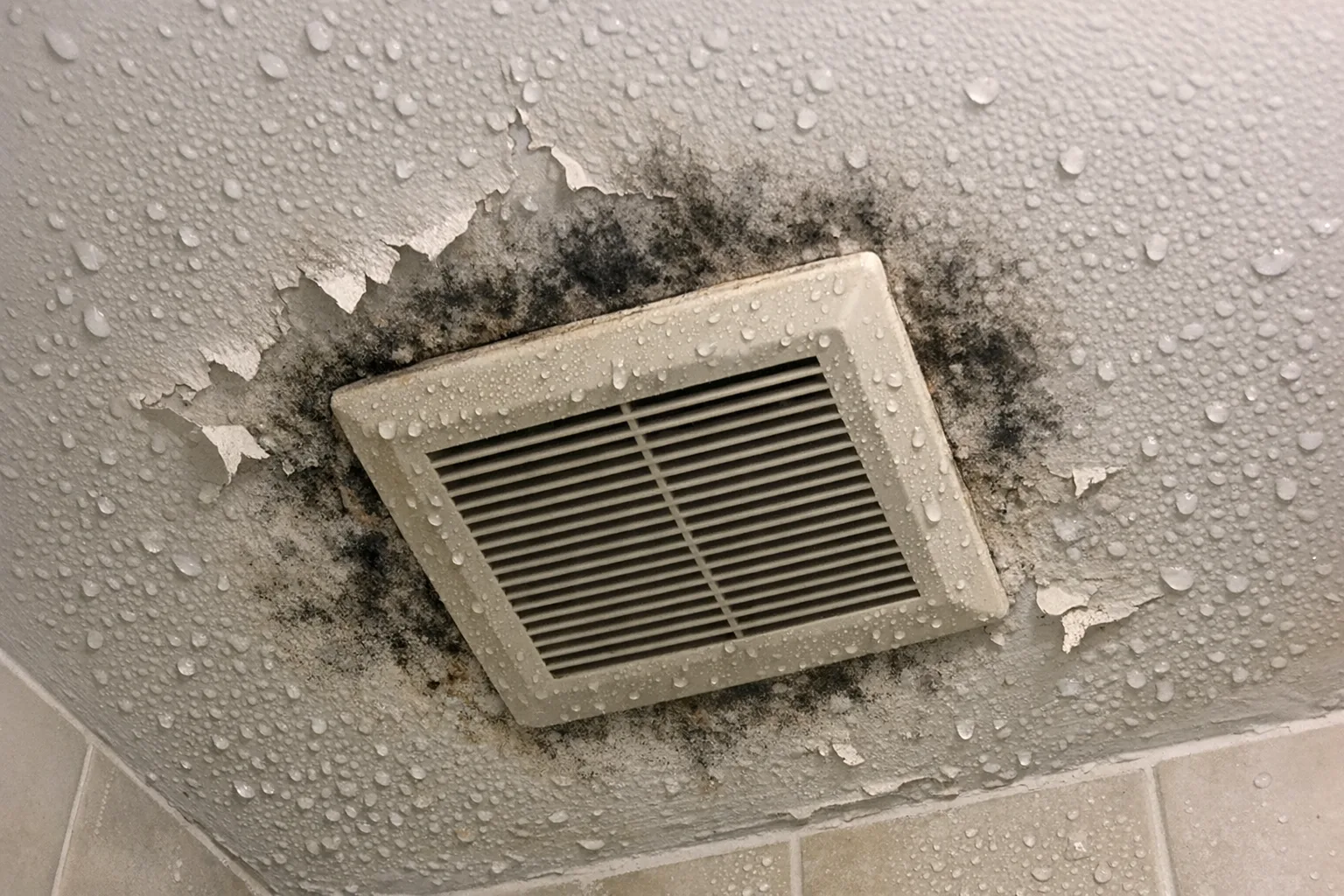
The $500 Window Slams Shut Fast
According to Price-Quotes Research Lab analysis, roughly 60% of homeowners who discover mold in their homes find it only after the problem has grown beyond what a $500 treatment could handle. That gap between discovery and financial devastation is where American bank accounts get gutted.
Mold remediation in 2026 runs a predictable gauntlet: minor surface growth under 10 square feet typically costs $500 to $1,500 through a professional contractor. The same growth, discovered three months later after it has infiltrated HVAC systems, subflooring, and load-bearing walls, routinely invoices between $15,000 and $30,000. The difference is time, and time is running out the moment water first intrudes.
The EPA notes that mold can begin colonizing within 24 to 48 hours of water exposure. Within 72 hours, you're not looking at a cleaning problem anymore. You're looking at demolition and reconstruction territory.
Why 2026 Made Everything Worse
Three converging forces turned a manageable problem into a housing market wildcard this year. First, extreme weather events became more frequent and more intense, driving water intrusion through foundations, roofs, and windows that previously held tight. Second, building material costs stabilized but labor costs in the remediation trade jumped 18% year-over-year as certified specialists became scarce. Third, and most quietly devastating: more homeowners are discovering mold during real estate transactions, when disclosure requirements force the issue before buyers can walk away.
Climate-driven moisture is the core accelerant. The USDA Forest Service research on precipitation patterns confirms that regions experiencing irregular rainfall cycles followed by rapid warming see the highest rates of interior mold colonization. That describes most of the Southeast, the Gulf Coast, the Pacific Northwest, and increasingly, areas of the Midwest that never had to worry about this twenty years ago.
Mold doesn't negotiate. It doesn't care about your closing date, your insurance deductible, or whether you already stretched your budget for the down payment. It grows at its own schedule, and that schedule is always accelerating.
The remediation industry has consolidated hard since 2023. National chains absorbed most of the independent operators, and pricing became more standardized — which sounds good until you realize standardization means they stopped competing on price. A 1,500-square-foot home with moderate mold in a mid-sized market now averages $8,200 for full remediation, according to Price-Quotes Research Lab cost tracking data.
The Insurance Trap Nobody Talks About
Here's where it gets ugly for homeowners. Standard homeowner policies cover mold damage only when the moisture source itself is a covered peril — a burst pipe, a hailstorm that damages your roof, a fire truck smashing through your front door during an emergency response. What they explicitly exclude: gradual leaks that went unnoticed for months, groundwater seepage through foundation cracks, and condensation from HVAC systems running inefficiently in high-humidity conditions.
In practical terms, this means the most common mold scenarios — the ones that develop slowly enough that you don't notice the musty smell until it's behind the walls — are often uncovered losses. You're paying out of pocket for everything: the testing, the remediation contractor, the rebuilding, and potentially the temporary housing if the affected area is large enough to make your home unlivable during treatment.
Testing alone runs $300 to $600 for a professional assessment with air quality sampling and surface testing. Those costs come before you sign a single remediation contract, and they're non-reimbursable in most scenarios.
The DIY Trap Is Real, and So Is Its Cost
Consumer-grade mold kill products at Home Depot and Lowe's work fine for surface growth on bathroom tile grout or a small patch of mildew on window caulking. They do not work on mold that has penetrated drywall, grown into wood studs, or colonized your insulation. The problem is that 90% of mold damage extends several inches beyond what is visible on the surface. Killing the surface mold while leaving the root structure intact creates a false sense of resolution. The mold comes back within weeks, often more aggressively because the underlying moisture problem remains unaddressed.
Homeowners who attempt DIY remediation and fail typically spend 40% more overall than if they had hired a professional from the start. They buy the wrong equipment — standard shop vacuums recirculate spores rather than containing them. They skip the containment protocols that prevent cross-contamination to other rooms. And they fail to address the underlying humidity or water intrusion issue that enabled the mold in the first place.
The Geographic Math Changes Everything
Remediation costs aren't uniform across the country, and the variation isn't just about labor rates. Humidity-heavy regions like Louisiana, Mississippi, Florida, and coastal Texas see more aggressive mold growth cycles that require more extensive treatment protocols. Urban areas with older housing stock face different challenges than suburban developments: the remediation contractor rates run 25 to 35% higher in major metros, but so does the likelihood of finding pre-existing moisture damage in walls that haven't been renovated since the 1970s.
Northern climates have their own trap. Freeze-thaw cycles create micro-cracks in foundations that allow water wicking. When that moisture finally reaches interior spaces during spring warm-ups, homeowners who never had a moisture problem suddenly have a full remediation invoice landing in their mailbox.
What You Should Actually Do
Action steps, in order of urgency: First, if you smell persistent mustiness in any room, pull the baseboards and check the wall cavities with a flashlight. Mold doesn't announce itself politely. Second, if you discover any water intrusion — a leaking pipe, roof damage after a storm, flooding from any source — treat the affected area as already compromised within 24 hours. Open windows, run dehumidifiers continuously, and document everything with photos and timestamps for insurance purposes. Third, hire a certified mold inspector before signing any remediation contract. The inspection fee is worth it because it prevents you from paying for work you don't need or, worse, signing a contract with a contractor who plans to upsell you into unnecessary demolition.
The 48-hour rule is non-negotiable. After two days without active drying and dehumidification, you're not managing a moisture problem anymore. You're managing a mold problem. And mold problems, unlike moisture problems, require licensed professionals to legally remediate in most states.