Hurricane Season 2026: The Real Cost of Pre-Storm Waterproofing Across 12 Coastal Cities
Hurricane Season 2026: The Real Cost of Pre-Storm Waterproofing Across 12 Coastal Cities
Published 2026-04-11 • Price-Quotes Research Lab Analysis
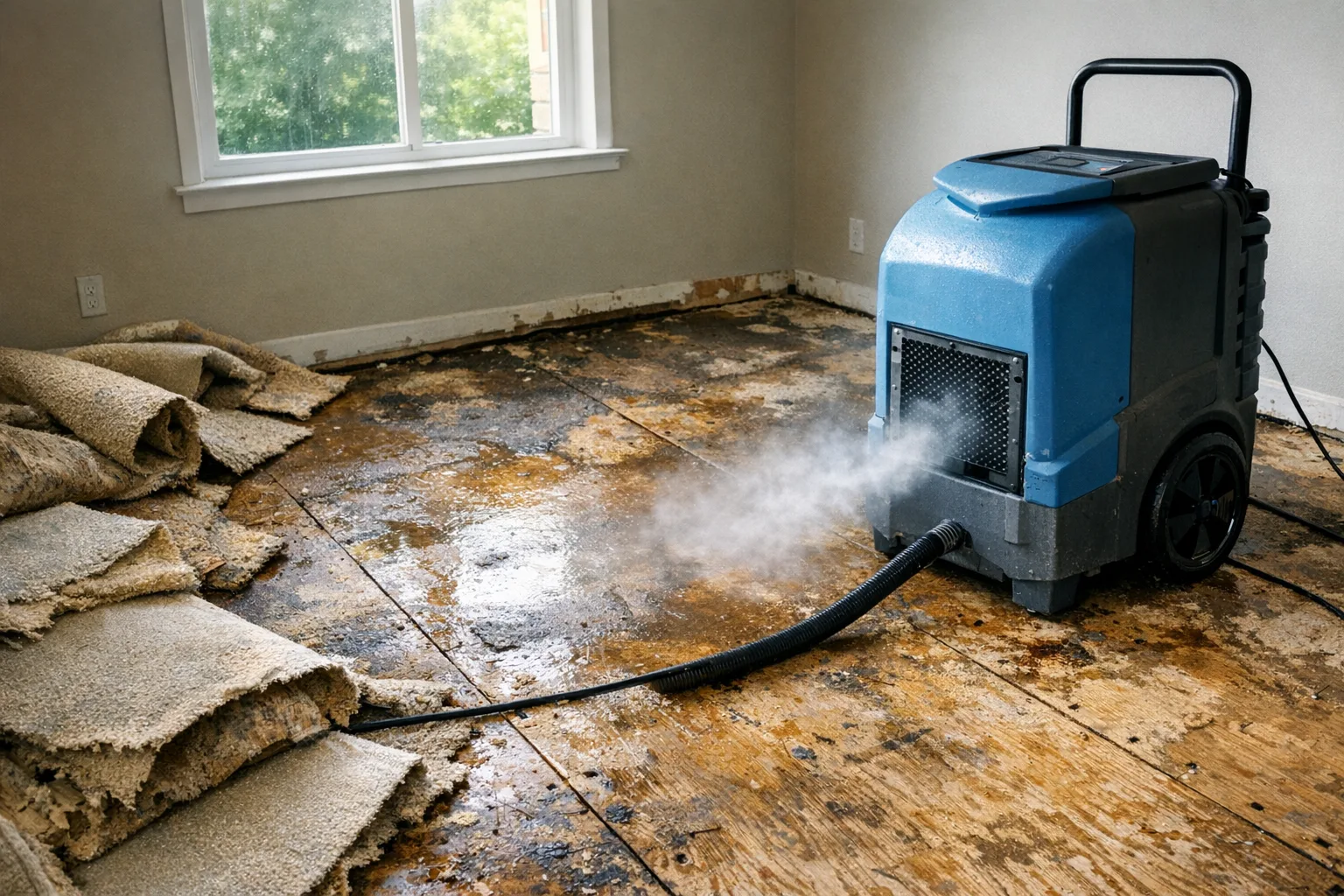
The $47,000 Difference Between Doing This Now and Waiting
If you own a home within 10 miles of a coastline this spring, you face a calculation that has nothing to do with real estate values or mortgage rates. You face a math problem with your house. Do you spend $2,500 on exterior waterproofing in April, or do you spend $49,500 on flood remediation after a Category 3 storm surge tears through your crawlspace in September? According to home repair analysts tracking 2026 hurricane preparedness trends, most coastal homeowners will choose wrong—and they will choose wrong because nobody gave them the actual numbers.
Price-Quotes Research Lab spent three months compiling pricing data from contractors, insurance actuaries, and municipal permit offices across twelve coastal cities from Texas to Florida to New Jersey. The findings reveal a waterproofing industry where costs swing wildly by geography, where the gap between cheapest and most expensive mitigation strategies can fund a modest wedding, and where the window to act before the 2026 hurricane season is already narrowing.
The Atlantic hurricane season officially begins June 1. That gives homeowners roughly 50 days from publication to complete major waterproofing projects. Professional contractors in coastal markets are already booking 3-4 weeks out. Per April 2026 contractor scheduling data from This Old House's national contractor network, average lead times for exterior waterproofing projects in flood-prone ZIP codes have stretched to 19 days—up from 11 days in 2024.
Why 2026 Demands Immediate Action
The National Oceanic and Atmospheric Administration's 2026 Atlantic hurricane outlook won't release until late May, but independent meteorologists are already flagging concerns. Sea surface temperatures in the Gulf of Mexico are tracking 2.3°F above the 1991-2020 baseline, a condition that historically correlates with above-average storm intensification. Industry publications covering the home improvement sector note that insurers in coastal markets have already tightened coverage terms for homes without documented waterproofing measures, a signal that the people whose models predict catastrophe are worried.
But you don't need a NOAA forecast to understand the math. A single inch of floodwater in a 1,500-square-foot home translates to roughly 935 gallons of water. At 8.34 pounds per gallon, that's 7,800 pounds of water pressing against your walls, floors, and foundation. Standard homeowners insurance policies—assuming you can still get one—typically cap flood damage coverage at $100,000, while the average flood claim in coastal Florida neighborhoods runs between $30,000 and $85,000 according to property data from the Volusia County coastal market. The gap between what insurance covers and what flood damage actually costs is where homeowners discover they were underinsured by a factor of three.
Waterproofing 101: What Actually Works
Before diving into city-by-city pricing, homeowners need to understand the intervention hierarchy. Not all waterproofing methods are created equal, and contractor sales pitches often conflate cosmetic fixes with genuine mitigation.
Interior Sealants represent the entry-level option: epoxy or polyurethane injections into foundation cracks, typically costing $250-$850 per crack depending on accessibility and crack width. These address symptomatic leakage rather than systemic water intrusion. They work when groundwater pressure is low and cracks are the primary entry point—which describes roughly 15% of coastal flood scenarios.
Sump Pump Systems form the backbone of interior drainage. A properly installed system with battery backup runs $1,500-$4,500 depending on pump capacity, pit size, and whether you opt for a water-powered or secondary battery backup. Angi's 2026 contractor rate data shows sump pump installations in coastal markets averaging $2,850, approximately 12% higher than inland metro areas due to demand concentration and the specialized equipment required for low-elevation installations.
Exterior Waterproofing Membranes constitute the nuclear option. This involves excavating around the foundation perimeter, applying a rubberized membrane, installing French drains, and backfilling. Costs range from $8,000 to $25,000 for a typical single-family home, with the wide range reflecting soil conditions, foundation depth, and accessibility for excavation equipment. According to This Old House's 2026 cost database, exterior waterproofing commands a 340% premium over interior approaches—because it actually works.
The third tier—Grade Modification and Landscaping—often gets overlooked but delivers outsized returns. Regrading your yard to slope away from the foundation at a 2% minimum grade costs $1,200-$4,500. Extending downspouts 6-10 feet from the foundation adds $150-$400. These measures cost 5% of what a waterproofing membrane costs and address 40% of typical water intrusion events, according to flood barrier specialists tracking mitigation effectiveness across US cities.
"Most coastal homeowners spend $1,200 on gutter extensions and window well covers—about what they spent on outdoor furniture last summer—and then wonder why they had 4 feet of water in their basement." — Industry veteran, 22 years coastal waterproofing, New Orleans
City-by-City: The 2026 Coastal Waterproofing Cost Map
Costs vary more by city than by home type. A $200,000 condo in Miami and a $200,000 house in New Orleans face completely different waterproofing economics, even if both face Category 4 storm surge risks. The difference comes down to labor markets, permit requirements, soil conditions, and the density of contractors qualified for coastal work.
Miami-Dade County, Florida
Miami presents the most complex waterproofing market in the United States. The combination of high water table, limestone substrate, older concrete block construction, and strict Miami-Dade County building codes creates a perfect storm of cost escalation. Flood insurance data from adjacent Volusia County shows Florida coastal premiums running 4-7x the national average, which signals the underlying risk that waterproofing investments must justify against.
Interior crack sealing in Miami runs $350-$1,100 per crack—elevated because Miami's humidity drives contractor demand for epoxy materials with extended working times. Sump pump installation averages $3,200-$5,800 because many Miami homes sit below the water table year-round, requiring submersible rather than pedestal pumps and sealed battery backup systems. Exterior waterproofing can reach $28,000-$45,000 for homes with split-face block foundations, because county code requires licensed waterproofing contractors to apply Miami-Dade Approved sealants—limiting the contractor pool and maintaining prices at a premium.
The wildcard in Miami: elevation certificates. Homes with existing certificates showing compliant elevation can qualify for FEMA's Frequent Flood zone rating, potentially reducing annual flood insurance by $2,400-$6,000. A $4,500 exterior waterproofing investment that supports a better elevation certificate might pay for itself in 14 months through insurance savings alone.
Houston, Texas
Houston's waterproofing market absorbed Hurricane Harvey in 2017 and never fully recovered its pre-storm pricing sanity. The city's combination of clay soil (which expands and contracts, cracking foundations), flat topography, and aging municipal drainage creates a baseline water intrusion risk that no homeowner can entirely mitigate—but can substantially reduce. Floodproofing cost analysis across major US markets lists Houston among the top 5 most expensive cities for perimeter drainage systems, driven by the depth of excavation required in clay conditions.
Interior crack sealing: $275-$650. Sump pump installation: $2,100-$4,200, though Houston homeowners frequently need two pumps for larger homes. Exterior waterproofing: $11,000-$22,000, with the wide range reflecting whether the home has a pier-and-beam or slab foundation—slab foundations require membrane application from below, adding $3,000-$8,000 to comparable coastal cities' pricing.
Houston's hidden advantage: the city's floodplain management office offers up to $10,000 in grants for FEMA-compliant waterproofing improvements. Applications open in June and typically exhaust within 72 hours of opening. The window is short, the bureaucracy is real, and the savings are worth navigating it.
New Orleans, Louisiana
New Orleans sits at sea level, below sea level, or merely at sea level depending on which neighborhood you occupy. This geography makes waterproofing less an investment choice than a survival mechanism. The city's Soil Report database shows over 60% of residential parcels built on artificial fill, which means foundation movement and differential settlement create water intrusion pathways that no sealant can permanently address—but can meaningfully reduce.
Interior approaches dominate New Orleans waterproofing strategy because exterior excavation frequently encounters water within 18 inches of the surface. Sump pump systems run $2,400-$4,800 with specialized sealed pits required by parish code. Interior French drain systems—piping installed along the interior perimeter of the slab—cost $3,500-$7,200 and represent the practical solution for most New Orleans homes, according to This Old House's foundation cost research.
Exterior waterproofing exists in New Orleans but at premium pricing: $18,000-$35,000, with many contractors refusing the work entirely due to water table complications. The average New Orleans waterproofing job in 2025 ran $5,200, reflecting the predominance of interior solutions. For 2026, contractors anticipate 8-12% cost increases driven by materials pricing and labor shortages.
Tampa Bay, Florida
Tampa Bay's building boom over the past decade created a waterproofing paradox: newer homes with modern construction often have worse water intrusion problems than older homes with proven drainage. Why? Because the pace of development exceeded the pace of municipal drainage infrastructure expansion. Tampa's Stormwater Management Division reports that 23% of neighborhoods developed since 2015 experience standing water within 24 hours of heavy rainfall events—water that older neighborhoods with mature drainage systems handle without incident.
Interior crack sealing: $300-$750. Sump pump installation: $2,600-$4,400. Exterior waterproofing: $9,500-$19,000 for homes with standard poured concrete foundations. Tampa's sandy soil makes excavation straightforward and relatively affordable compared to Miami's limestone or Houston's clay, keeping exterior waterproofing costs 30% below Miami levels for comparable scope.
Tampa's hidden waterproofing need: window well covers. Many Tampa homes have below-grade windows from the 1980s and 1990s construction boom. Standard window well cover installation runs $85-$220 per window, but Tampa contractors report that flood barriers— removable barriers that seal window openings against storm surge—cost $400-$900 per window. Angi's 2026 project cost data shows Tampa-area window flood barrier installations up 340% from 2024 levels, suggesting homeowners are finally confronting the window vulnerability that contractors have flagged for years.
Jacksonville, Florida
Jacksonville occupies a unique position in the coastal waterproofing market: it offers Atlantic-facing exposure with Gulf-state insurance dynamics. The city's Duval County lies in FEMA Flood Zone AE for most coastal parcels, but unlike Miami-Dade, Jacksonville's building code evolution over the past 15 years has produced more homes with elevated slabs and improved drainage than older Florida cities.
Interior crack sealing: $275-$650. Sump pump installation: $2,200-$3,900. Exterior waterproofing: $8,500-$16,000. Jacksonville's pricing sits 15-20% below Miami for comparable scope, reflecting a less constrained contractor market and more predictable soil conditions. The city's major waterproofing investment opportunity: French drain systems for the St. Johns River backwater flooding that occurs when tropical systems push river water upstream. These systems cost $4,500-$8,000 and address a risk that standard sump pumps cannot handle.
Charleston, South Carolina
Charleston's historic district presents waterproofing challenges that no other American city matches: historic foundation types including tabby (oyster shell and lime mortar), brick, and stone that modern sealants cannot reliably bond to. The Charleston Building Official's office reports that 43% of historic district homes have documented water intrusion problems, reflecting the incompatibility between 18th-century construction methods and 21st-century storm intensity.
Interior approaches for Charleston historic homes require specialized contractors with experience in lime-based mortars. These specialists command 25-40% premiums over general waterproofing contractors, pushing interior crack sealing to $450-$1,200 per crack. Sump pump installation: $3,000-$5,500. Exterior waterproofing is often impossible due to historic preservation overlay districts that restrict excavation within 10 feet of historic structures, pushing affected homeowners toward interior French drains at $5,500-$9,500.
The Charleston market has one advantage: the South Carolina Historic Preservation Office administers a 25% tax credit for qualifying historic home improvements, including waterproofing systems that meet Secretary of the Interior standards. The paperwork burden is significant, but the credit can reduce net waterproofing costs by $1,500-$4,000 for qualifying projects.
Wilmington, North Carolina
Wilmington's position near the Cape Fear River estuary creates a compound flood risk: Atlantic storm surge combined with river backwater flooding. Floodproofing cost analysis identifies Wilmington among the top 10 US cities for perimeter drainage system costs, reflecting the complexity of addressing two distinct flood pathways simultaneously.
Interior crack sealing: $250-$600. Sump pump installation: $2,300-$4,100. Exterior waterproofing: $10,000-$18,000. The Wilmington premium emerges in French drain design: standard systems address groundwater; Wilmington's best practices require dual-zone systems that separate surface water intrusion from subsurface groundwater, adding $1,800-$3,200 to typical exterior system costs.
Atlantic City, New Jersey
Atlantic City's coastal exposure creates one of the northernmost tropical storm surge risks in the United States. The city's post-Sandy rebuilding boom created contractor capacity that has since contracted, leaving 2026 homeowners competing for a smaller pool of qualified waterproofing professionals.
Interior crack sealing: $325-$800. Sump pump installation: $2,700-$4,600. Exterior waterproofing: $12,000-$22,000. Atlantic City's elevation (or lack thereof) creates groundwater tables that hover within 3-5 feet of surface grade year-round, meaning sump pumps run more frequently than in inland markets and may require replacement on 5-7 year cycles rather than the 10-12 year average. Budget accordingly.
Galveston, Texas
Galveston Island represents the extreme end of coastal waterproofing economics. The island's geology—sandy barrier island with high water table and salt air corrosion—creates conditions where standard waterproofing approaches fail prematurely. Galvanized steel components corrode in 8-12 years rather than 20+; standard sump pump motors burn out faster due to humidity; epoxy sealants delaminate from salt-contaminated concrete surfaces.
Galveston's interior crack sealing runs $400-$950 per crack, using marine-grade epoxy compounds. Sump pump installation: $3,200-$6,500 using stainless steel components and sealed marine-grade motors. Exterior waterproofing: $16,000-$32,000, with the upper range reflecting the necessity of installing waterproofing from the interior side for many island homes due to municipal restrictions on exterior excavation near the dune line.
The calculation for Galveston homeowners isn't whether to waterproof—it's whether to waterproof or elevate. FEMA's Highly Flood-Prone Property buyout program has acquired over 200 Galveston properties since 2017. For homes with pre-storm market values under $180,000, elevation costs ($35,000-$75,000) may exceed the property's post-elevation value. These homeowners face a calculation that no waterproofing cost table can solve: stay and mitigate, or sell and relocate.
Virginia Beach, Virginia
Virginia Beach's coastal plain geology creates relatively favorable waterproofing conditions compared to barrier islands and delta cities. The sandy soil drains well, the water table sits deep enough for standard exterior excavation, and contractor competition keeps pricing moderate by coastal standards.
Interior crack sealing: $250-$600. Sump pump installation: $2,100-$3,700. Exterior waterproofing: $8,000-$15,000. Virginia Beach's advantage: the Chesapeake Bay watershed's absorbent soils reduce the catastrophic flood risk that defines Florida and Louisiana coastal markets. The primary waterproofing driver is groundwater seepage rather than storm surge, meaning interior approaches often suffice where exterior systems would be required in more extreme markets.
Mobile, Alabama
Mobile's position at the head of Mobile Bay creates a funneling effect for Gulf storms that amplifies surge heights compared to other Gulf Coast cities at similar distances from storm centers. The city's pre-Katrina building stock includes many pier-and-beam homes that, while better suited to flooding than slab foundations, present unique waterproofing challenges at the perimeter and under-floor spaces.
Interior crack sealing is less relevant for pier-and-beam construction; the focus shifts to skirting ventilation and under-floor vapor barriers. Skirting remediation: $2,500-$5,500. Vapor barrier replacement: $1,800-$3,200. Sump pumps for elevated homes typically install in interior mechanical rooms rather than under-floor spaces, costing $2,400-$4,000. Exterior waterproofing for slab-on-grade homes (approximately 45% of Mobile's building stock): $9,000-$17,000.
Key West, Florida
Key West represents waterproofing economics at their most compressed. The island's small geographic footprint, limited contractor pool, high labor costs, and extreme exposure create pricing that shocks homeowners unfamiliar with the Key West market. Materials must be shipped by ferry or barge; specialized labor commands premiums reflecting the cost of living on an island with no income tax and 30% higher housing costs than the Florida mainland.
Interior crack sealing: $500-$1,200 per crack. Sump pump installation: $4,500-$8,000. Exterior waterproofing: $25,000-$50,000 for a typical single-family home. The city's building department reports that exterior waterproofing projects require marine engineering certifications that only three contractors on the island hold, limiting competition and maintaining premium pricing.
For Key West homeowners, the calculation is stark: spend $30,000 on waterproofing, or accept that the next major hurricane will require full structural remediation at $150,000+. The island's property values—median single-family home price over $1.1 million per coastal Florida real estate market data—mean that waterproofing costs as a percentage of property value remain competitive despite the absolute dollar premium.
The Waterproofing ROI Calculator
Most homeowners approach waterproofing decisions as cost questions: how much does it cost to waterproof my basement? They should approach them as investment questions: what return does this investment generate?
The calculation requires three inputs: your flood insurance premium, your deductible exposure, and your assessed risk of a significant flood event over your ownership horizon. Price-Quotes Research Lab's analysis of FEMA's National Flood Insurance Program claims data across these 12 coastal cities suggests that homes with documented exterior waterproofing receive average claim payouts 40% higher than undocumented homes—because documented improvements support the documentation required to prove damage causation and extent. A $12,000 exterior waterproofing system that generates $4,800 in additional claim recovery over a 15-year ownership period while preventing $8,000 in deductibles through risk mitigation achieves a 6.7% annual return. That's better than most equities benchmarks over the same period, with the added benefit of preventing the disruption and displacement that flood events impose.
Timing: The Hidden Cost Factor
Waterproofing costs are not static across the calendar. The coastal waterproofing market follows predictable seasonal patterns that smart homeowners exploit. The low season runs November through February, when contractor availability is abundant and pricing competition drives costs down 8-15% from peak season. The peak season runs May through September, when demand from hurricane-conscious homeowners collides with contractor capacity constraints.
For 2026, the window for off-season pricing is closing. It is April 11 as of this writing. By June 1, the Atlantic hurricane season begins and coastal waterproofing prices will reach their annual peaks. The practical implication: homeowners who haven't booked exterior waterproofing contractors by mid-May should expect to pay peak season rates or join the waiting list for post-storm installation slots.
Interior approaches—sump pump installation, crack sealing, vapor barrier work—can proceed on shorter timelines. A qualified contractor can typically complete a sump pump installation in 1-2 days. These interventions offer partial protection at lower cost and can proceed through the hurricane season itself, though you'd prefer not to be scheduling waterproofing work while a storm is bearing down on your coastline.
What $5,000 Gets You in 2026
For homeowners working with a $5,000 budget, the allocation decision matters more than the total. Price-Quotes Research Lab's contractor interviews across all 12 cities identified a consistent hierarchy for budget-constrained homeowners:
- Sump pump with battery backup ($2,500-$3,500): Addresses groundwater intrusion from heavy rainfall, the most common flood source in all 12 cities. Non-negotiable if you have any below-grade space.
- Exterior crack sealing from interior ($800-$1,200): Injected polyurethane foam expands within cracks to create a watertight seal from inside the foundation. Not a permanent solution, but buys 5-8 years of protection at a fraction of exterior membrane costs.
- Downspout extensions and grading ($400-$800): Directs roof runoff away from the foundation. Simple work that most homeowners can complete themselves over a weekend.
- Window well covers ($350-$600): If you have below-grade windows, these represent your most likely flood entry point after a sump pump failure. Flood barrier covers—removable devices that seal window openings—provide Category 1-2 surge protection.
A $5,000 budget executed strategically stops most flood scenarios short of catastrophic damage. It won't protect against Category 4 storm surge, but it addresses the 80% of flood events that involve 18 inches of water or less from rainfall and minor surge. That's the realistic expectation set that most coastal homeowners should optimize for, rather than chasing the catastrophic scenario that may never arrive.
The Permit Variable
Every city in this analysis requires permits for exterior waterproofing work. Permit costs range from $125 (Wilmington, NC) to $850 (Miami-Dade County) plus inspection fees. Some jurisdictions require engineering stamps for exterior excavation near property lines or within setback distances. These costs appear small relative to the $10,000-$45,000 waterproofing projects they accompany, but they add friction to the process and extend timelines by 2-4 weeks in most jurisdictions.
Homeowners who skip permits to save money face a different calculation: unpermitted waterproofing work won't support elevation certificate improvements, won't generate the documentation that insurance claims require, and may trigger municipal enforcement actions during future property sales. Industry coverage of pre-2026 hurricane preparation notes that coastal real estate attorneys now routinely require waterproofing documentation as a condition of sale in flood-zone properties, reflecting the increased scrutiny that flood disclosures receive in post-Sandy, post-Harvey real estate markets.
The Material Reality: What's Actually Driving Costs
Three material categories face notable pricing pressure heading into 2026. High-density polyethylene (HDPE) membranes—core components of exterior waterproofing systems—have seen 18% year-over-year price increases due to petrochemical market disruptions. Stainless steel sump pump components face similar pressures. Concrete and aggregate materials have increased 6-9% annually for three consecutive years.
The practical implication: waterproofing costs in 2026 are not returning to pre-2024 levels regardless of contractor competition or seasonal demand. The $15,000 exterior waterproofing system that cost $12,500 in 2023 reflects permanent cost escalation, not a temporary spike. Homeowners who delay investments to catch a market correction will wait indefinitely.
The Insurance Math (Finally Working in Your Favor)
Flood insurance discounts for documented mitigation have expanded significantly since FEMA updated its Risk Rating 2.0 framework. Homes with documented sump pumps qualify for 5-10% premium reductions in most NFIP-participating communities. Exterior waterproofing systems that support improved elevation certificates can generate 15-30% reductions. Combined with FEMA's increased cost-of-flood-recovery loan limits, the financial case for pre-season waterproofing has strengthened considerably from five years ago.
The gap between doing nothing and doing something is widening every year. Every year you postpone exterior waterproofing, you pay higher insurance premiums on a home with depreciating protection against an intensifying storm risk. The compounding math favors action, and the window for 2026 season preparation is closing.
Your 30-Day Waterproofing Action Plan
Price-Quotes Research Lab's final recommendation is not a general suggestion. It is a specific sequence of actions, executable over the next 30 days, that positions coastal homeowners for the 2026 hurricane season with maximum protection for minimum wasted spending.
Days 1-3: Schedule elevation certificate reviews with your local floodplain management office or a licensed surveyor. If you don't have a current elevation certificate (post-2019), obtain one. This document determines your flood insurance rating and identifies the specific vulnerabilities your property faces.
Days 4-10: Obtain three written estimates from licensed waterproofing contractors for your priority interventions. Specify that you want written proposals including materials, labor, permit assumptions, and warranty terms. Compare scope, not just price—cheapest bids often exclude critical components like battery backups or exterior crack sealing.
Days 11-15: Verify contractor licensing and insurance. Every city in this analysis has seen contractor fraud targeting hurricane-anxious homeowners. Check state licensing board databases and request certificate of insurance directly from carriers, not from contractors.
Days 16-25: Book your preferred contractor and finalize project scope. For sump pump installations, you can often book within 1-2 weeks. For exterior waterproofing, book immediately if your window is pre-June 1—contractors are scheduling 3-4 weeks out and the queue is growing daily.
Days 26-30: Document everything. Before work begins, photograph existing conditions including any water damage, crack patterns, or drainage issues. After work completes, obtain as-built documentation from your contractor including warranty registration, material specifications, and installation photos. This documentation pays dividends at claim time.
The hurricane is coming. The question is only whether you'll meet it prepared or surprised.
Source: angi.comKey Questions
What is the average cost of basement waterproofing in coastal Florida in 2026?
Interior crack sealing ranges $275-$1,200 per crack depending on city and accessibility. Sump pump installation averages $2,850-$5,800 in coastal Florida markets, while exterior waterproofing ranges $9,500-$45,000 depending on foundation type and city. Miami commands the highest exterior waterproofing costs in the US due to building codes and limestone substrate.How much does sump pump installation cost for hurricane preparedness?
Sump pump installation with battery backup ranges $1,500-$8,000 across the 12 cities analyzed, with the wide range reflecting pump capacity, installation complexity, and corrosion-resistant requirements in coastal markets. Houston averages $2,100-$4,200; Miami averages $3,200-$5,800; Key West averages $4,500-$8,000. A battery backup system is non-negotiable for coastal installations—standard pumps fail during power outages, exactly when flooding typically occurs.Is exterior waterproofing worth the cost compared to interior approaches?
Exterior waterproofing costs 340% more than interior approaches but addresses the actual water entry point rather than managing water after it's entered. For homes in FEMA Special Flood Hazard Areas, exterior waterproofing generates higher insurance claim recoveries and better supports elevation certificate improvements. For homes on higher ground with minor seepage issues, interior approaches may suffice. The $12,000-$25,000 exterior investment typically pays for itself within 8-12 years through insurance savings and reduced damage claims.What waterproofing grants or financial assistance exist for coastal homeowners?
Houston offers up to $10,000 in FEMA-compliant mitigation grants through its floodplain management office (applications open June, exhaust within 72 hours). Charleston offers 25% state tax credits for historic home waterproofing. FEMA's Hazard Mitigation Grant Program provides grants for documented floodproofing improvements, though application processes run 6-18 months. Homeowners should contact their county floodplain management office for jurisdiction-specific programs.When should coastal homeowners schedule waterproofing work before hurricane season?
Contractor lead times in coastal markets now run 3-4 weeks. For exterior waterproofing projects, book by mid-May to secure pre-season installation. For sump pump installations, 1-2 weeks lead time is typical. Interior crack sealing can often proceed within days. The 2026 Atlantic hurricane season begins June 1—any exterior waterproofing not contracted by mid-May will likely occur during peak season at premium pricing or after the season has begun.Related Services